





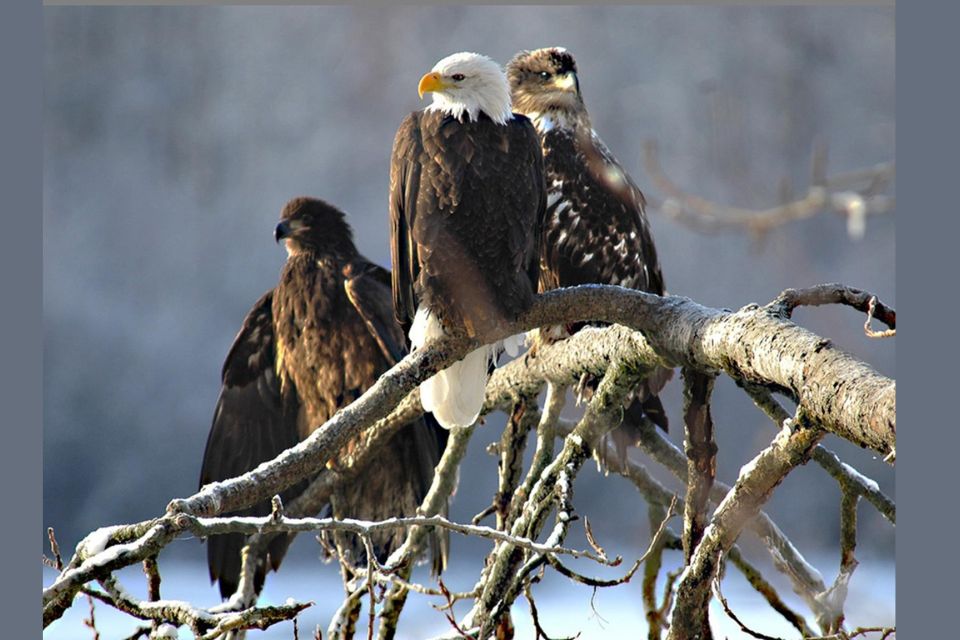
The Hancock Bird holds a unique and powerful position in both nature and cultural symbolism. Revered in many traditions, this bird represents more than just a species—it signifies knowledge, transformation, and harmony with the natural world. With its vibrant appearance and melodic calls, the Hancock Bird has inspired artists, spiritualists, and conservationists alike. In this guide, we will explore the rich meaning, ecological role, and cultural presence of the Hancock Bird, along with the growing conservation efforts centered around its preservation.
Hancock Bird: An Overview
The Hancock Bird is more than just a member of the avian world. It is a symbol often rooted in cultural myths and artistic depictions. While not recognized as a specific biological species, the term “Hancock Bird” has grown to represent various symbolic and legendary birds tied to messages of wisdom, guidance, and transformation. The name gained prominence through conservationist David Hancock, whose work with eagles helped associate the term with powerful, majestic birds—particularly the bald eagle. Whether in art, myth, or environmental dialogue, the Hancock Bird continues to resonate deeply.
Cultural Significance Of The Hancock Bird
A Bird Rooted In Folklore & Belief
Across ancient civilizations, birds have often symbolized communication with the divine, and the Hancock Bird is no exception. In some cultures, it’s seen as a messenger carrying wisdom between realms. In others, it signifies rebirth, a spiritual renewal linked to the cycles of nature. Indigenous and Eastern traditions alike attribute the bird with qualities of vision, freedom, and higher consciousness. These diverse interpretations showcase the bird’s universal appeal and symbolic strength.
Representation Across Traditions
The Hancock Bird’s meaning shifts based on cultural context:
- In Western traditions, it is seen as a guardian or protector, much like the eagle.
- In Eastern philosophy, it may represent enlightenment and insight.
- In Indigenous lore, birds like the Hancock are often totems symbolizing strength and guidance.
This wide range of symbolism reflects how deeply the bird is woven into humanity’s storytelling and spiritual understanding.
Artistic Presence & Symbolism In Media
Artistic Expression
The Hancock Bird has left its imprint on paintings, literature, and music. Its flight has been portrayed as a metaphor for freedom, its feathers for dignity, and its call as the echo of ancient wisdom. Artists often use the image of the Hancock Bird to evoke emotions of serenity, strength, and transcendence.
Role In Modern Media
Films and literature continue to reinterpret the Hancock Bird to reflect contemporary themes like environmental awareness, identity, and resilience. As climate issues rise in public consciousness, the Hancock Bird often re-emerges in popular storytelling as a reminder of what’s at stake.
Environmental Importance & Ecological Role
Despite its symbolic nature, the Hancock Bird also plays a practical role in ecological balance. Birds of this type, like eagles or similar large raptors, are apex predators in their habitats. They control populations of smaller animals, contributing to biodiversity. Their presence often indicates a healthy, functioning ecosystem. Unfortunately, habitat destruction and pollution have increasingly put these birds at risk, prompting urgent conservation efforts.
The Hancock Wildlife Foundation’s Mission
Founded by David Hancock, the Hancock Wildlife Foundation (HWF) has become a leading force in protecting birds associated with the Hancock name, particularly eagles.
HWF’s Key Contributions
Conservation Programs: Focused on habitat preservation and breeding assistance.
Public Engagement: Through eagle cams and educational content, they inspire global awareness.
Scientific Research: HWF supports ongoing studies to better understand bird behavior and health.
Rehabilitation Efforts: Injured birds are treated and reintroduced into the wild.
Their initiatives not only protect these birds but also foster a global appreciation for wildlife.
Education & Global Influence
HWF’s outreach extends far beyond North America. Through webinars, live streams, and online resources, the foundation educates thousands around the world. Students, bird enthusiasts, and conservation professionals benefit from this knowledge-sharing platform, making the Hancock Bird not just a regional emblem but a global one.
Conclusion
The Hancock Bird represents far more than feathers and flight. It is a living symbol of wisdom, transformation, and resilience—a creature that bridges the gap between myth and reality, culture and conservation. From ancient folklore to the forefront of environmental activism, the Hancock Bird continues to inspire. Organizations like the Hancock Wildlife Foundation ensure its legacy lives on, promoting harmony between humans and the natural world. By protecting these birds and their habitats, we protect a vital symbol of our connection to the Earth. The story of the Hancock Bird reminds us all of the beauty and fragility of life that deserves our respect and protection.






Related Articles


Rena Monrovia When You Transport Something By Car: Clear The Confusion
Transporting goods by car is an essential aspect of daily life, whether...

Leave a comment